A 1-day Alcovia workshop · Grades 6–12
The Case Room. Solved and Presented to a Managing Director.
In plain terms: a hands-on business case-solving workshop. A company has a decision it cannot make. Your teen has 1 session to make it for them - and prove it with numbers, not opinions.
23 parents looking at this page right nowBuilt for students at Delhi NCR’s leading schools - IB, CBSE, ICSE & IGCSE boards.
Most competitions reward who speaks best. This one rewards who's actually right.
School business competitions favour confident presenters. Real decisions require data, trade-offs, and handling sudden change - on the spot.
• Unprofitable theme park queues
• A cricket franchise’s auction strategy
What happens in the room
4 phases, 1 real decision, no do-overs.
The Brief
3 seats, 3 packets: The Numbers, The Customer, The Market. Nobody sees the full picture alone.
The Seats
10 tasks per seat, easy to hard. 3 minutes each at the table - the real answer only shows up once all 3 come together.
The Cards
2 surprises, 10 minutes each. One is a result of the team's own decision. One is a shock nobody could predict. The plan has to hold up against both.
The Presentation
5 slides, 4 minutes, then questions from real consultants. They check 3 things: did the numbers back it up, did the team know what they gave up, and did they plan for what's next.
This session’s guest judge
The consultant your child presents to, not a stand-in.
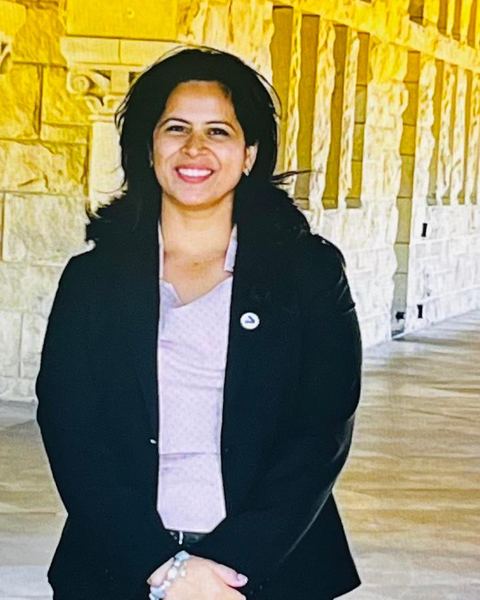
Archana Mangtani Walia
Archana leads Responsible AI Compliance Delivery at Accenture, with deep expertise across AI compliance, responsible AI implementation and business transformation. She’s among the consultants your child’s team presents to and gets questioned by in the final round.
What they'll walk out with
Decide with evidence
Build a recommendation from numbers you calculated, not instincts you defended.
Name the trade-off
Every case holds 2 good things in tension. Learn to say what you gave up, and why.
Survive the curveball
Re-run the plan under a clock when the ground shifts, and say plainly whether it still stands.
Inside an Alcovia session
A look at how our workshops actually run.
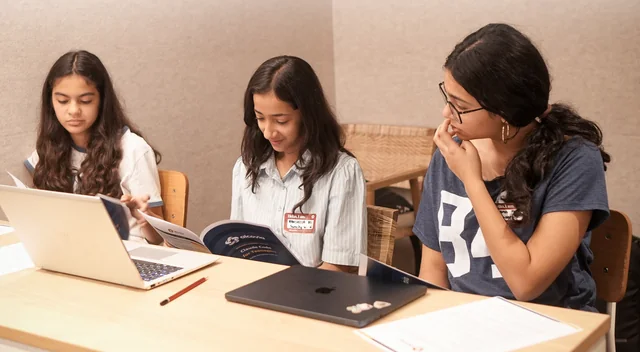 Working the case, packet by packet
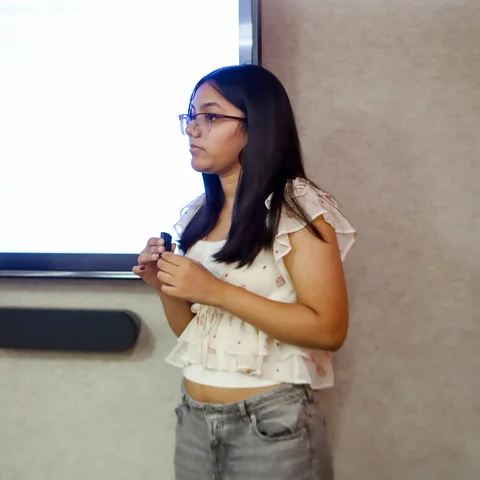 Presenting to the room
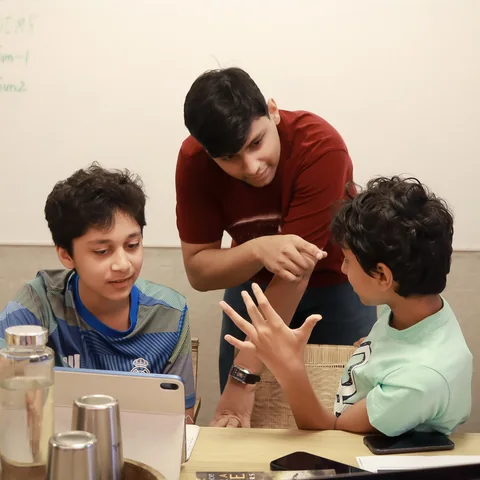 3 seats, 1 decision
Is this the right fit?
What your ₹3,999 actually covers
Not 4 hours in a room. This is what you're paying for.
A real, unresolved business caseNot a case study with a known answer - a live decision, worked from scratch
3 information packetsThe Numbers, The Customer, The Market - built and printed for this session
Judging by real operatorsFeedback from consultants who work with numbers like these professionally - not classroom facilitators
A venue built for thisTwo Horizon Center, WeWork - a proper working space, not a classroom
Refreshments through the session4 hours is a long stretch - your child won't be running on an empty stomach
Format
Who checks the work
What’s at stake
What they walk away with
Questions parents ask first
What should my child bring?
Just their laptop or iPad. Everything else - case packets and materials - is provided on the day.
Do the 3 teammates need to know each other beforehand?
No. Trios are formed on the day and briefed together - part of the exercise is learning to work fast with people you've just met.
What's included in the ₹3,999?
The full 4-hour session, all case materials, refreshments, and feedback from the judging consultants at the end.
Is this a one-off, or connected to a longer programme?
The Case Room is a standalone workshop. If it's a good fit, we'll also tell you about Alcovia's year-long ambition-building programme on the day.
Does my child need any business or finance background?
None. The packets are built to be worked from scratch - the case teaches the concepts as your child goes.
My child is quiet in group settings. Will they get left behind?
Each of the 3 seats has a clear, individual job - there's no seat to hide in. The structure does the work of pulling everyone in.
Is a Grade 6 student really doing the same case as a Grade 12 student?
Trios are grouped by closer age bands so the pace and case difficulty suit where your child actually is.
The case doesn't wait for confidence. It waits for proof.
Saturday, 26th September · 11 AM–3 PM · Two Horizon Center, WeWork, 5th Floor
Ask on WhatsAppLimited spots available. Secure your place before registration closes.